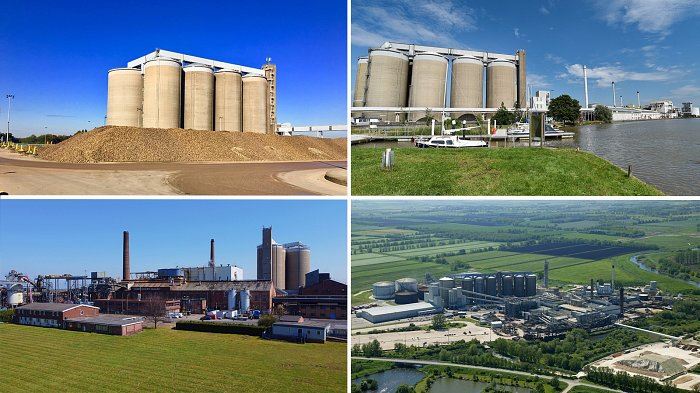
From Humble Beginnings to Industrial Powerhouse: The Wissington Sugar Factory Story
For a century, the distinctive plume of steam rising from British Sugar’s Wissington factory has been more than just a seasonal marker of the sugar beet campaign; it's a testament to enduring innovation, efficiency, and a deep connection to the UK's agricultural landscape. Since its inauguration in 1925, the
Wissington Sugar Factory has transformed from a modest local operation into the largest and most efficient sugar processing plant in the UK, and indeed, one of Europe's leading facilities. This remarkable journey chronicles not just the production of sugar, but a pioneering shift towards a comprehensive circular economy, sustainable energy, and a steadfast commitment to its people and community.
A Century of Sweet Evolution: Growth, Modernisation, and Strategic Adaptation
The origins of the
Wissington Sugar Factory trace back to the vision of local entrepreneur Mr. W. T. (Bill) Towler, who established the plant in 1925. In its nascent years, operations were relatively small-scale, with sugar beet deliveries arriving predominantly by rail or barge. The factory's initial slicing capacity was a humble 600 tonnes of sugar beet per day – a significant undertaking for its time, but a mere fraction of what it handles today.
The mid-century marked a pivotal period of transformation for the Wissington site. The early 1970s saw the culmination of a three-year, £10 million reconstruction and expansion project. This massive investment, finalized in 1971, was part of a broader rationalisation strategy by the British Sugar Corporation. The goal was clear: to consolidate operations, enhance efficiency, and shorten the processing season for sugar beet across Britain. While smaller, less efficient factories were closed, key sites like Wissington and York underwent significant expansion. This strategic move not only allowed for a quicker turnaround of beet-laden lorries from a 30-mile radius, but it also proactively addressed the increasing yields per acre from local farmers and a rising acreage dedicated to sugar beet cultivation. Moreover, the impending entry of the UK into the European Economic Community (EEC) and the anticipated end of Commonwealth sugar preferences necessitated a robust, domestically-focused sugar industry capable of meeting national demand.
Today, the statistics are staggering: the
Wissington Sugar Factory processes around 20,000 tonnes of sugar beet daily – a volume it once took an entire day to manage, now achieved in just a single hour. Annually, approximately 800 dedicated local growers supply three million tonnes of sugar beet to the factory, which in turn produces around 400,000 tonnes of sugar. This exponential growth underscores Wissington's unparalleled efficiency and its critical role in the UK's food supply chain.
The Wissington Model: A Pioneer in Circular Economy and Bioethanol Production
What truly sets the
Wissington Sugar Factory apart is its unwavering commitment to a circular economy model. Here, waste is not just minimised; it's practically eradicated. For every tonne of sugar produced, there's an astonishingly low 200g of waste. This near-zero waste philosophy means that every single root of sugar beet is meticulously processed, with each component finding a new, valuable purpose beyond just table sugar.
The factory masterfully transforms its by-products into a diverse array of value-added co-products, serving a multitude of vital industries. For instance:
- Agriculture: Beet pulp, a fibrous residue, is a highly sought-after animal feed, rich in nutrients. Lime from the purification process is returned to farms to enrich soil.
- Pharmaceuticals: Certain components extracted during processing find applications in the pharmaceutical sector.
- Transport & Energy: One of Wissington’s most significant achievements in resource maximisation is its pioneering role in renewable energy.
In 2007, Wissington proudly opened the UK’s first bioethanol plant. This groundbreaking facility can produce up to 75 million litres of bioethanol annually, which is then blended into E10 fuel sold at forecourts across the country. This not only provides a sustainable fuel alternative but also significantly reduces the UK's reliance on fossil fuels. The journey of Wissington as a leader in sustainable practices and bioethanol production is a story in itself. For a deeper dive into how this iconic factory is driving the UK's green agenda, explore
Wissington: UK's Circular Economy Leader & Bioethanol Pioneer.
The practical insight from Wissington's circular economy is clear: by viewing "waste" as a resource, industries can unlock significant economic value, enhance sustainability, and reduce their environmental footprint. This model serves as an inspiration for industries globally aiming to achieve genuine resource efficiency.
People, Community, and a Sustainable Workforce
Beyond the impressive machinery and groundbreaking processes, people remain the beating heart of the
Wissington Sugar Factory. Despite a century of operational changes and technological advancements, the workforce is central to its continued success. Today, approximately 250 individuals work on-site, a diverse team comprising permanent employees, resident contractors, and vital seasonal workers. The sheer variety of products and processes demands a broad spectrum of skills and expertise, from engineering and production to logistics and environmental management.
A cornerstone of Wissington's people strategy is its highly regarded apprenticeship scheme. This programme serves as a crucial pipeline for nurturing new talent and providing clear development pathways year after year. The commitment to internal growth is evident in the leadership: many members of the site's leadership team are proud former apprentices themselves. This investment in human capital pays dividends, with an incredible retention rate across the business where more than 80% of apprentices remain with the company for at least ten years – a remarkable achievement in any industry, let alone one as dynamic as food processing.
Wissington’s influence extends far beyond the factory gates into the local community. Deeply embedded in the West Norfolk way of life, the site team actively encourages volunteering, fundraising, and charitable donations to local good causes. This dedication to giving back fosters a strong bond with the surrounding area, ensuring the factory remains a vital and valued community pillar. The interplay between nurturing talent and pioneering sustainable practices like decarbonisation is a key aspect of Wissington's forward-looking strategy. To learn more about how Wissington is investing in its future workforce and environmental stewardship, read
Wissington Sugar: Nurturing Talent & Pioneering Decarbonisation.
Looking Ahead: Innovation, Efficiency, and Decarbonisation
Reaching its centenary is a monumental achievement for the
Wissington Sugar Factory, especially considering its almost continuous operation, running virtually 24/7, 365 days a year. Yet, the team at Wissington is not resting on its laurels. The ethos of continuous improvement, innovation, and enhanced efficiency remains at the forefront of their vision.
Looking forward, one of the most significant undertakings is a massive decarbonisation project currently underway. In an era where industrial sustainability is paramount, this project signifies Wissington’s commitment to drastically reducing its carbon footprint and embracing greener manufacturing processes. This initiative, combined with ongoing research into new innovations and efficiency gains, ensures that the future of this iconic sugar factory remains as sweet and sustainable as its celebrated product. The focus on reducing energy consumption, exploring renewable energy sources, and optimising every aspect of production positions Wissington as a leader in responsible industrial operations.
Key Takeaways from Wissington Sugar Factory's Century of Success
The enduring legacy of the Wissington Sugar Factory offers valuable lessons for any industry striving for longevity and impact:
- Adaptability and Strategic Investment: The factory's ability to adapt to changing market conditions (like the EEC entry) and invest strategically (1971 expansion) was crucial for survival and growth.
- Resourcefulness through Circularity: Pioneering a near-zero waste circular economy model transforms potential waste into valuable co-products, driving both environmental and economic benefits.
- Investment in Human Capital: A strong apprenticeship scheme and high employee retention rates highlight the importance of nurturing talent and fostering a loyal, skilled workforce.
- Deep Community Integration: Becoming an integral part of the local community fosters goodwill, support, and a shared sense of purpose.
- Commitment to Sustainability: Continuous pursuit of efficiency, innovation, and decarbonisation ensures relevance and resilience in a world increasingly focused on environmental responsibility.
From slicing 600 tonnes of beet a day to becoming a sophisticated industrial hub processing 20,000 tonnes hourly, the
Wissington Sugar Factory stands as a powerful symbol of British industry's ability to evolve, innovate, and thrive. Its century-long journey is not just a story of sugar production, but a blueprint for sustainable manufacturing, community engagement, and a sweet outlook for the decades to come.